You found a dress you love… but once you try it on, it feels too loose at the waist, gaps at the back or hangs badly at the sides? Good news: a dress that is too big is not necessarily a lost cause. In many cases, you can make a dress smaller without taking the whole garment apart, using a few simple, well-placed alterations.
Whether your dress is made from viscose / rayon, jersey knit fabric, denim or linen fabric, there are practical ways to improve the fit without completely rebuilding the dress. The key is choosing the right method for the right area: side seams, back darts, a sewn-in belt, an inner elastic waist or a targeted back adjustment.
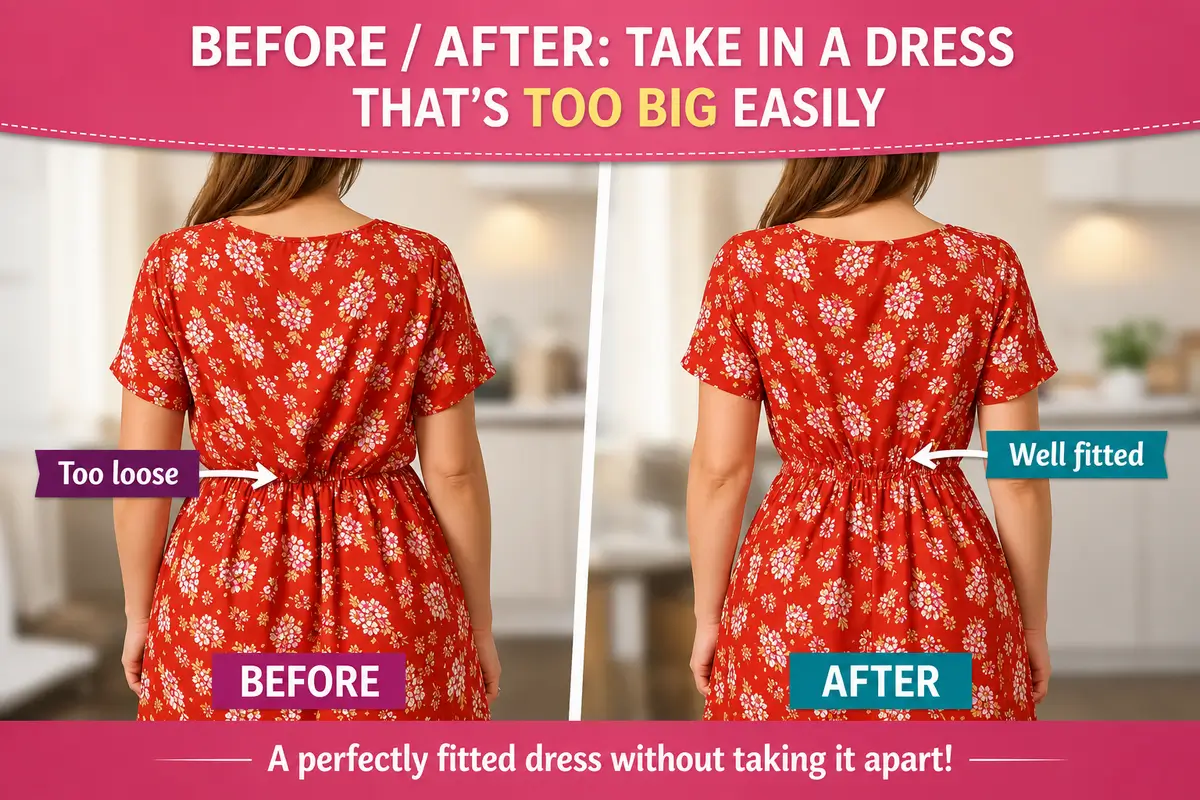
Quick answer: the easiest way to take in a dress that is too big is usually to adjust the side seams. If the dress only gaps at the back, two back darts can be enough. For loose, flowy dresses, a sewn-in belt or an inner elastic waist can create a better shape while keeping comfort.
- The simplest method is to take in the side seams.
- To define the waist quickly, back darts are often ideal.
- For a loose summer dress, a sewn-in belt or inner elastic gives a natural result.
- You usually remove around ⅜ inch to 1¼ inches per side — about 1 to 3 cm.
- Never cut the excess fabric before doing a final fitting.
Why does a dress look too big?
A dress can look too large for several reasons. Sometimes the size is simply a little too generous for your body shape. Other times, the fabric itself creates that loose effect. A rayon or viscose dress will naturally drape more than a structured cotton or denim dress. A shirt dress, shift dress or relaxed summer dress can also look oversized even when the label size is correct.
This is especially common with thrifted dresses, online purchases, vintage pieces, bridesmaid dresses, loose beach dresses and ready-to-wear garments bought between two sizes. The good news is that you do not always need a professional-level alteration. A small correction in the right place can completely change the way the dress sits on the body.
Useful sewing terms before you start
- Take in a dress: reduce the width of the garment by sewing one or more seams deeper.
- Make a dress smaller: reduce the overall looseness of the dress.
- Shape the waist: create a more fitted waistline.
- Alter a dress: adjust the garment so it fits better without necessarily changing its style.
Fabric behaviour matters a lot. You do not alter a jersey knit dress in the same way as a woven linen dress. If you are choosing fabric for a future sewing project, read this guide: how to choose fabric for a dress.
Tools you need
- Sewing pins or fabric clips
- Tailor’s chalk or removable fabric marker
- Measuring tape
- Seam ripper, just in case
- Sewing machine or hand-sewing needle
- Matching thread
- Iron and ironing board
For a clean result, choose the right needle for your fabric. A universal needle works well for many woven fabrics, while jersey and stretch dresses need a ballpoint, jersey or stretch needle. You can also read this useful guide: sewing machine needle guide by fabric type.
How to choose the right alteration method
The easiest way to find the right adjustment is to try the dress on inside out. This lets you see exactly where the extra fabric is. Pin the loose areas gently while wearing the dress, then move around a little: sit, raise your arms, turn sideways and check the mirror.
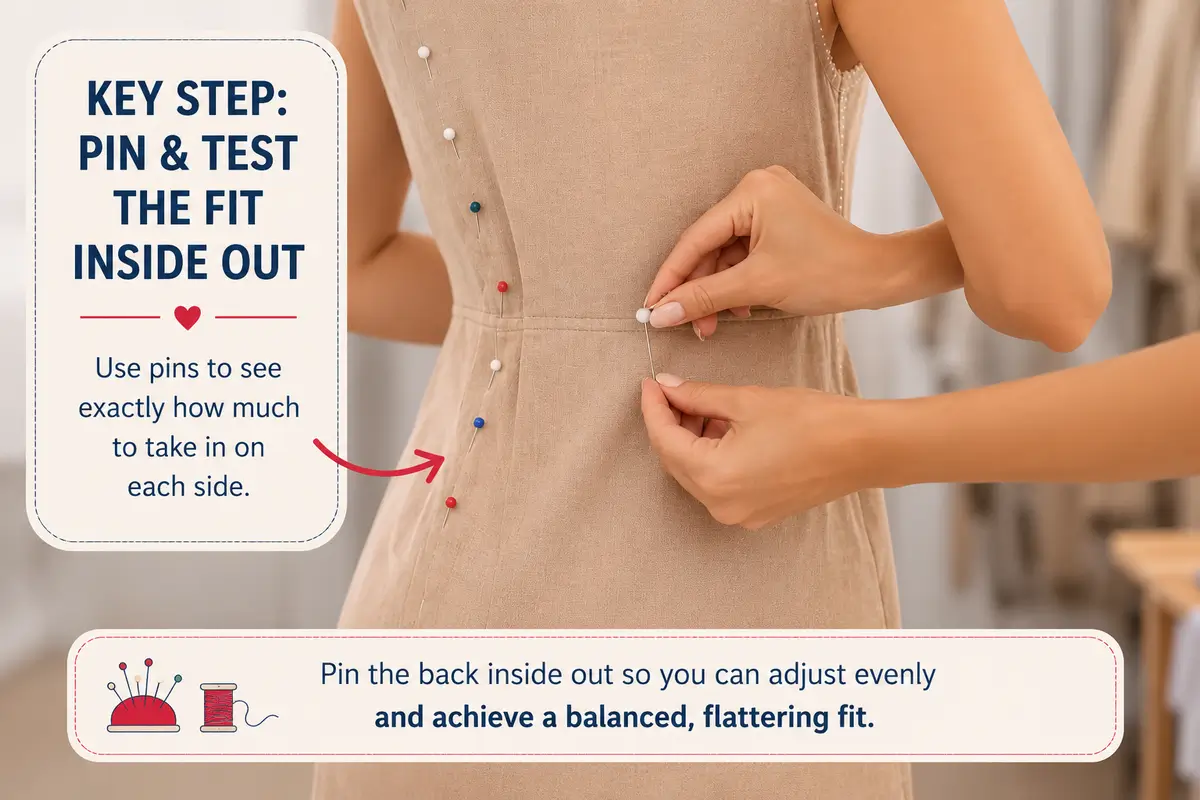
In most cases, you will remove around ⅜ inch to 1¼ inches per side, which is roughly 1 to 3 cm. A structured dress can often be adjusted through the side seams. A soft, flowy dress may look better with back darts, a belt or an elastic waist.
Practical tip: remove the same amount on both sides to keep the dress balanced.
Dress alteration comparison table
| Alteration method | Time | Level | Best for |
|---|---|---|---|
| Taking in the side seams | 20 to 45 min | Easy | Shift dresses, simple dresses, stable woven fabrics |
| Adding back darts | 15 to 30 min | Easy | Dresses that fit in front but gap at the back |
| Sewn-in belt | 30 to 60 min | Medium | Shirt dresses, loose summer dresses, flowy dresses |
| Inner elastic waist | 20 to 40 min | Medium | Soft dresses, casual dresses, dresses with extra waist fabric |
| Back-only adjustment | 20 to 50 min | Medium | When the front fits but the back is too loose |
7 ways to make a dress smaller without taking it apart
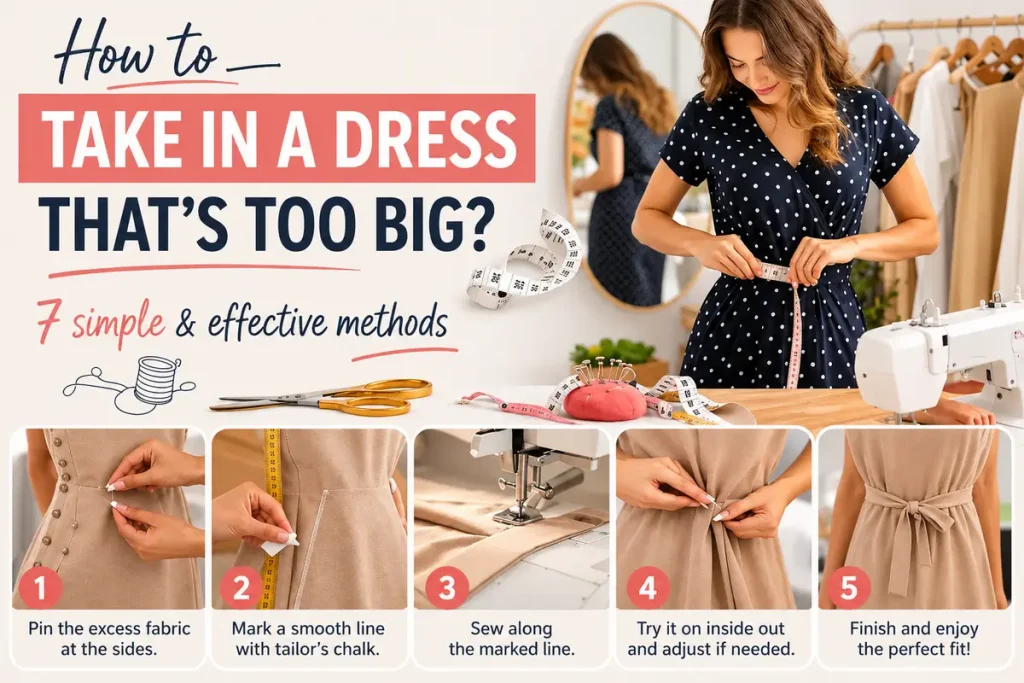
1) Take in the side seams
This is the most common and often the most effective method. It works well when the dress is too wide at the waist, hips or sides. If the shape is simple, you can get a neat result without changing the neckline, sleeves or zipper.
- Try the dress on inside out.
- Pin the excess fabric evenly on both sides.
- Measure how much you are removing.
- Draw a smooth sewing line with tailor’s chalk.
- Sew along the new line.
- Try the dress on again before cutting any fabric away.
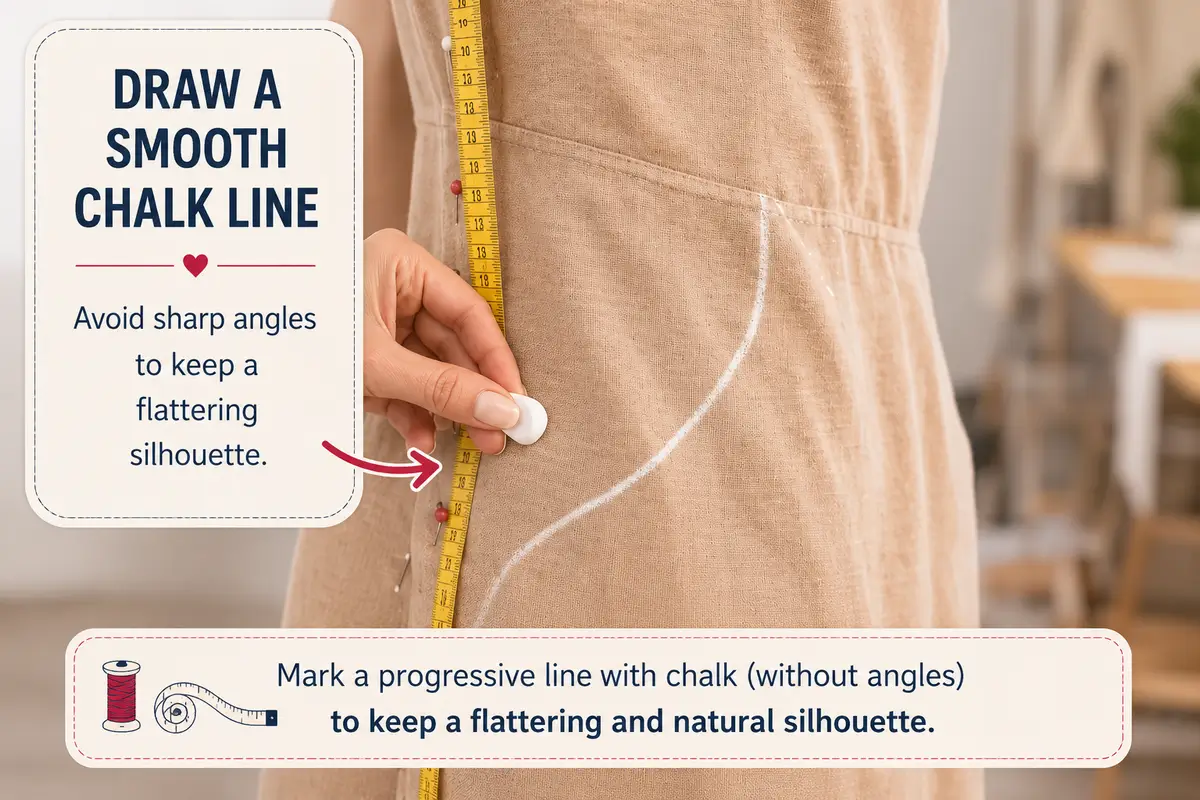
This technique works especially well on stable fabrics such as polyester suiting fabric or linen denim.
2) Add two back darts
If the front of the dress looks good but the back gaps or feels baggy, back darts are a smart solution. They shape the waist without changing the side seams or disturbing a zipper.
- Place one dart on each side of the centre back.
- Check that both darts are symmetrical.
- Sew from the wider part towards the dart point.
- Press the darts carefully towards the centre.
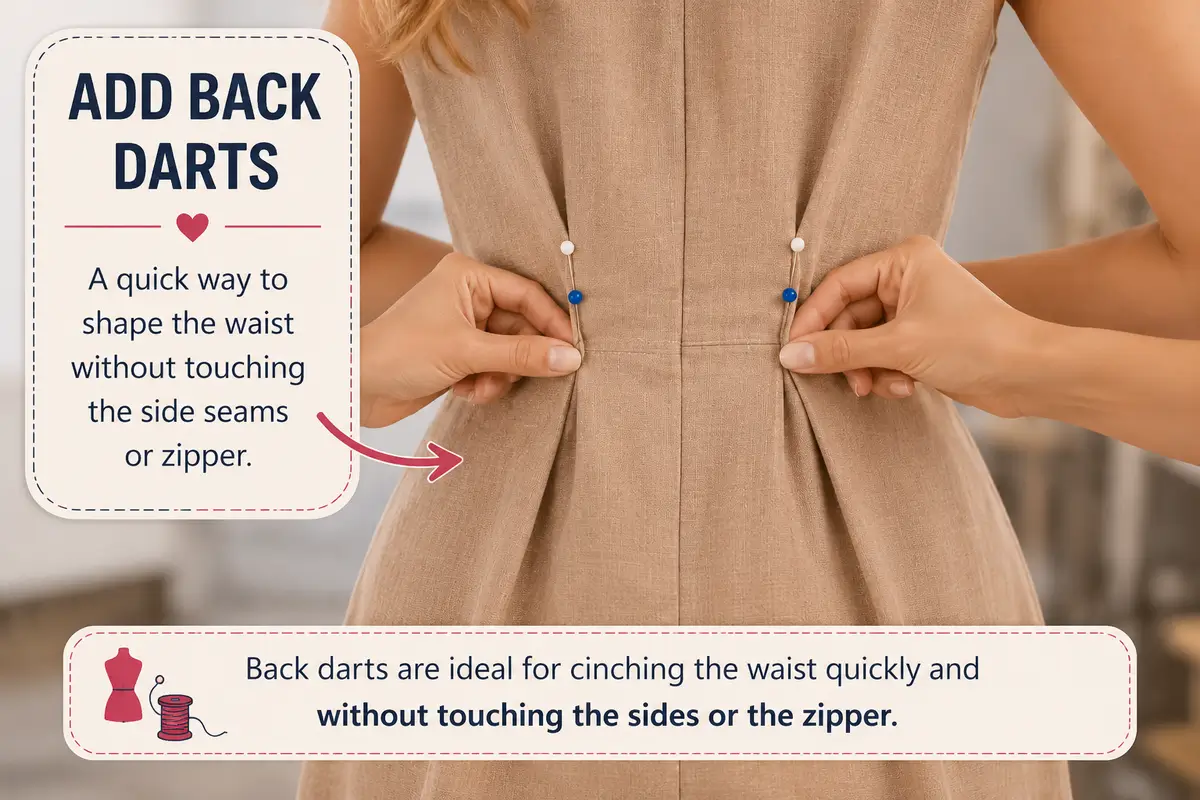
On a soft fabric like black polka dot viscose / rayon, this can create a more flattering shape while keeping the natural drape.
3) Add a sewn-in belt
When a flowy dress lacks structure, a sewn-in belt can completely change the look. This method is popular for loose summer dresses, shirt dresses, holiday dresses and casual oversized dresses.
- Cut a fabric strip that suits the style of the dress.
- Place it at your natural waist.
- Try the dress on and check the position in the mirror.
- Sew it in place or add belt loops for a removable option.
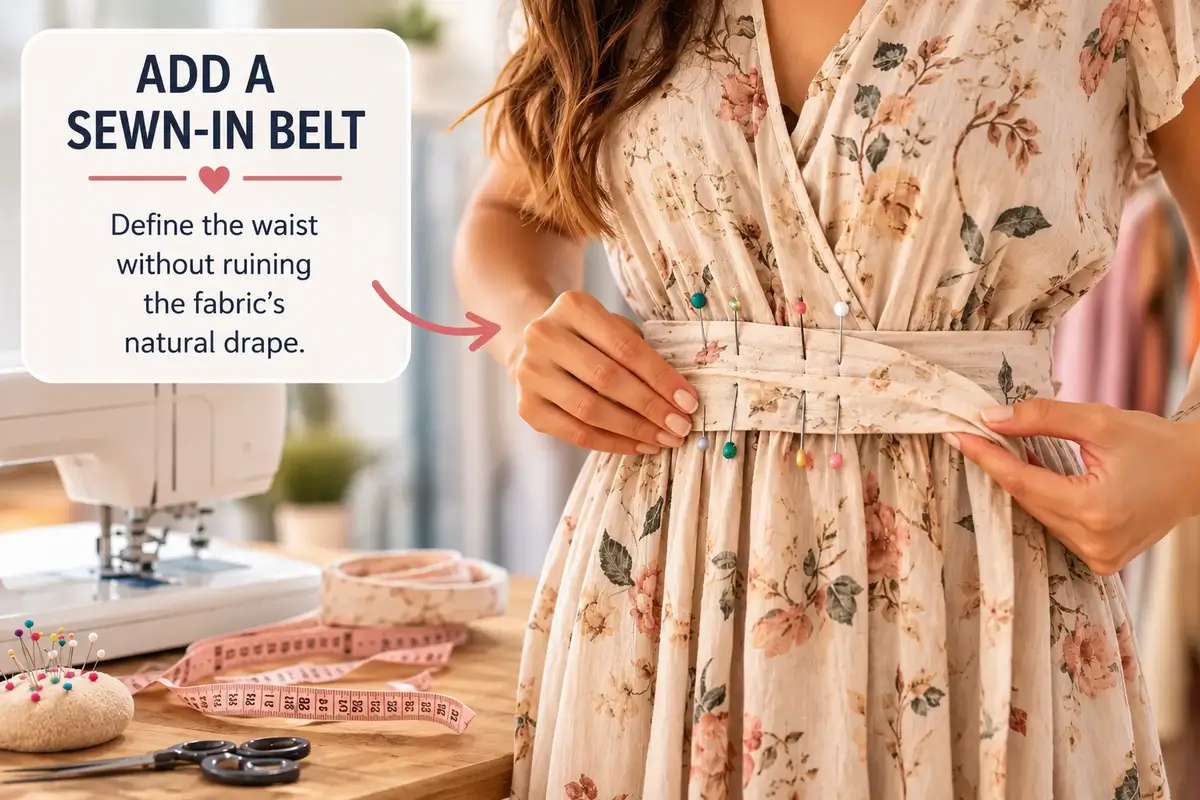
This works beautifully on dresses made from printed viscose / rayon fabric or other soft dressmaking fabrics.
4) Add an inner elastic waist
If you want the dress to fit better while staying comfortable, an inner elastic waist is a very practical option. It gently gathers the fabric and defines the waist without making the dress stiff.
- Measure your comfortable waist size.
- Create or use an inner casing.
- Insert the elastic through the casing.
- Spread the gathers evenly.
- Close the opening neatly.
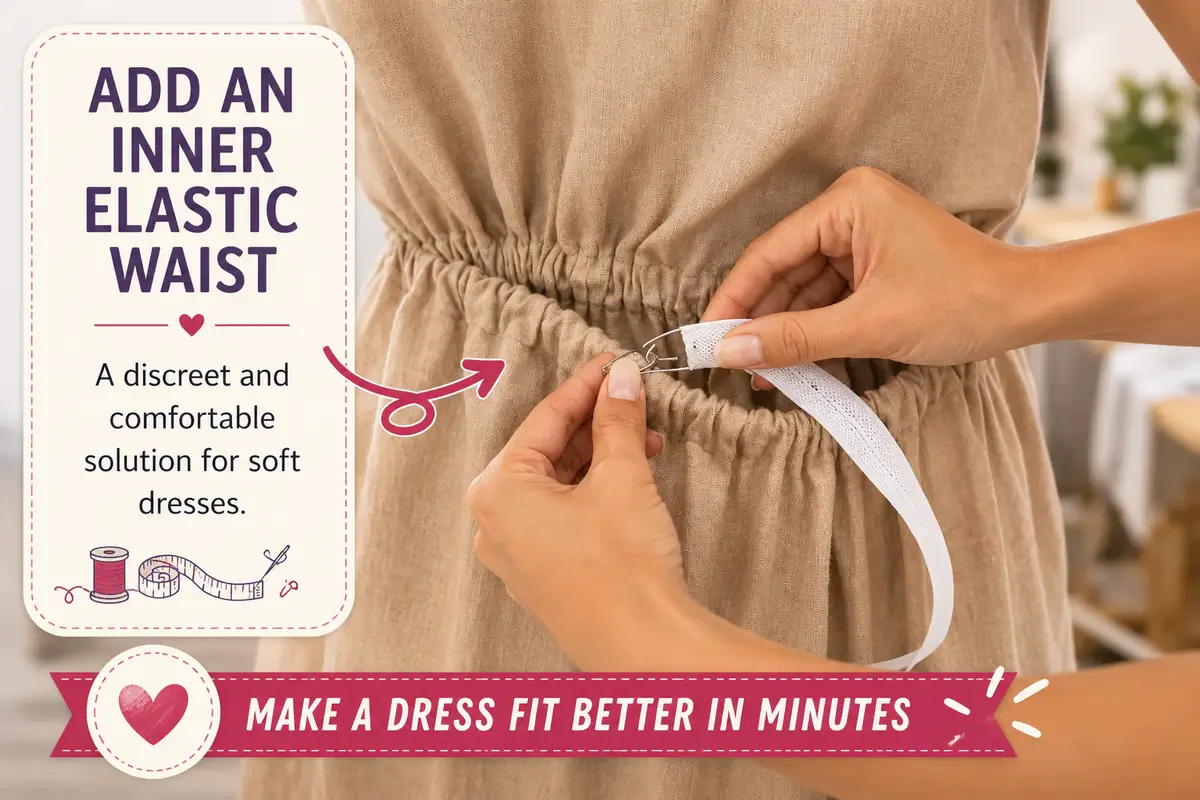
This is a good option for soft dresses and knit dresses made from fabrics such as off-white jersey knit.
5) Adjust only the back
Sometimes the problem is only at the lower back. In that case, you do not need to take in the whole dress. A targeted back adjustment can improve the fit without changing the front of the garment.
This is useful when the dress looks good from the front but has too much fabric at the back waist. It keeps the original design while removing only the excess fabric where it is needed.
6) Take in a jersey or stretch dress
A stretch dress can be altered successfully, but you need the right stitch and needle. A straight stitch may break when the fabric stretches. Use a stretch stitch, narrow zigzag or serger if you have one.
- Use a jersey or stretch needle.
- Do not pull the fabric while sewing.
- Use a flexible stitch.
- Press gently so you do not stretch the knit fabric out of shape.
A fabric like grey viscose lycra jersey is ideal for comfortable fitted dresses, as long as the seam remains flexible.
7) Alter a dress with a zipper without touching the zipper
If the dress has a back or side zipper, the easiest option is often to avoid altering the zipper area. Taking in the side seams or adding darts can give a good result without creating a more complicated sewing project.
If the zipper starts to ripple after the alteration, you may have removed too much fabric. Reduce the amount slightly, sew again and try the dress on before trimming anything.
Recommended fabrics for dress alterations
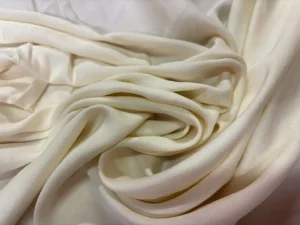
 Off-white jersey knit Soft, stretchy and comfortable, ideal for simple dress adjustments. |
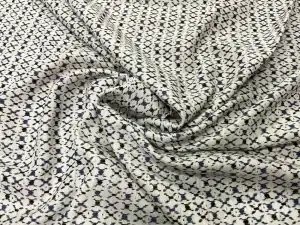
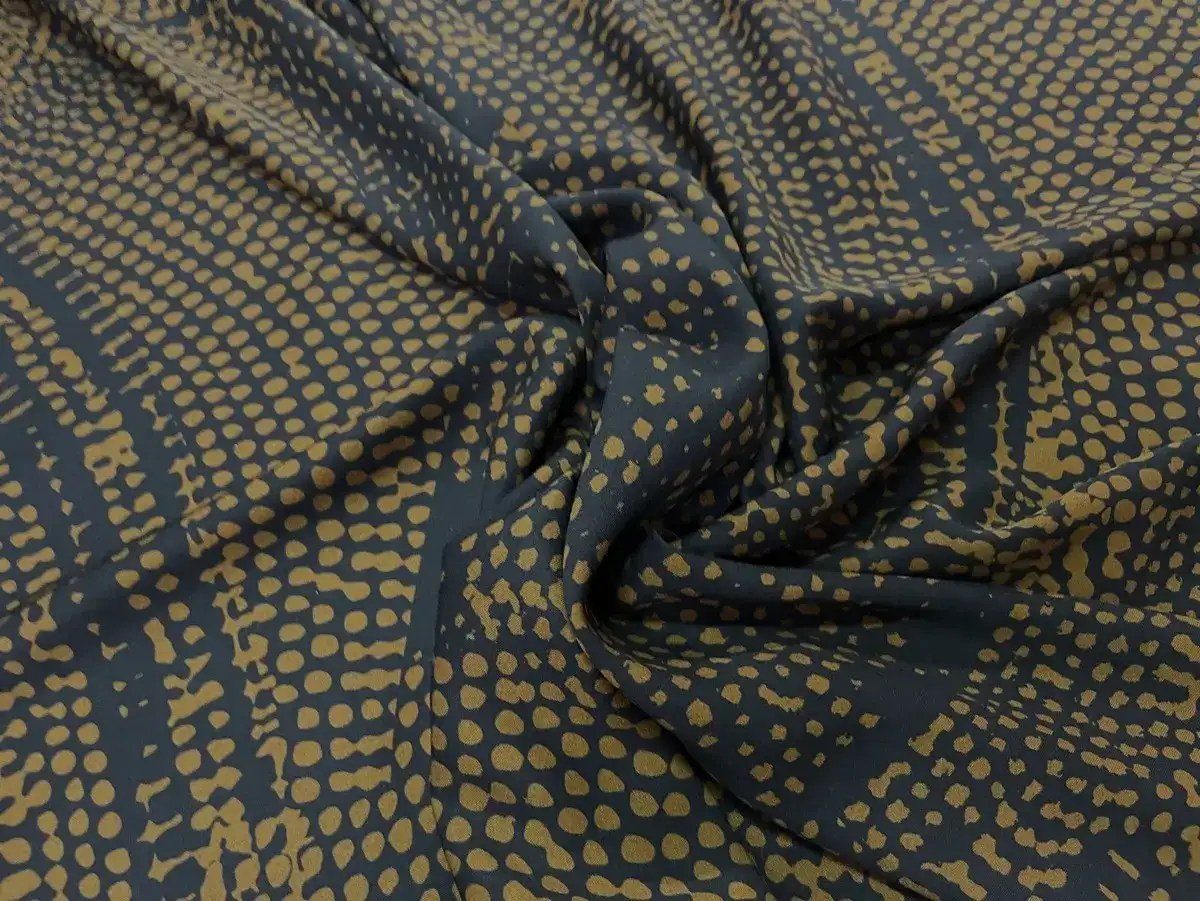 Black polka dot viscose / rayon Great for flowy dresses shaped with darts or a waist belt. |
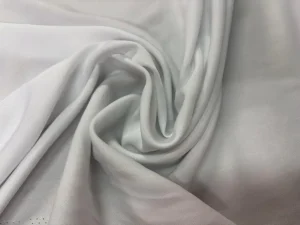
 Grey viscose lycra jersey Perfect for fitted stretch dresses that need flexible seams. |
 Linen denim More structured, ideal for neat seams and sharp pressing. |
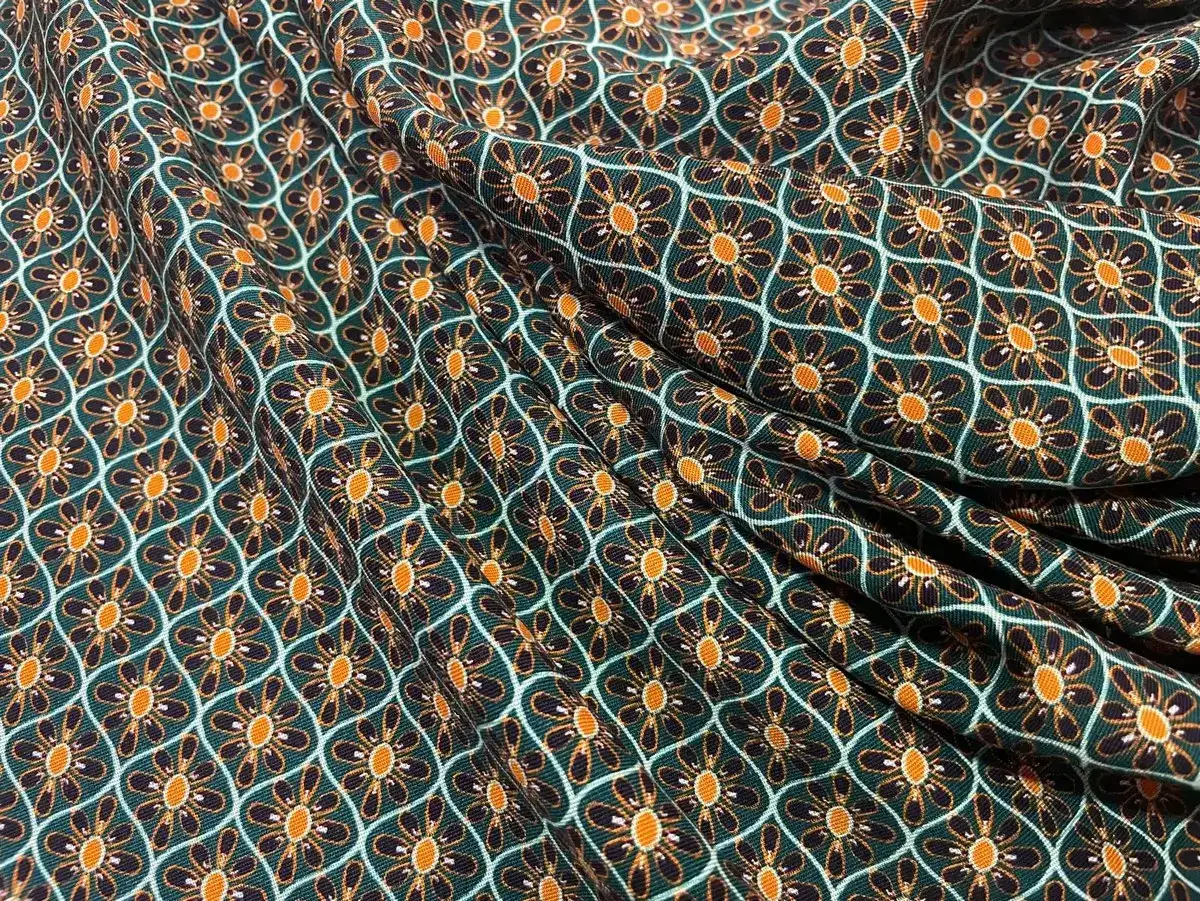 Printed viscose / rayon coupon Ideal for sewing a soft dress with a redesigned waistline. |
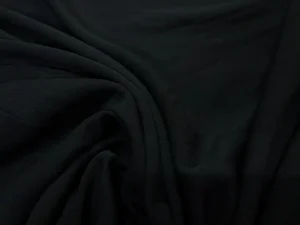
 Brown polyester suiting fabric Easy to sew and press, suitable for beginner-friendly alterations. |
To keep improving your sewing skills, explore our sewing tips and alteration guides and our dressmaking tutorials.
Common mistakes to avoid
- Cutting before trying on: always test the new seam first.
- Taking in only one side: the dress may twist or hang unevenly.
- Skipping the ironing step: pressing is what makes the alteration look clean.
- Using a straight stitch on stretch fabric: the seam may snap.
- Creating harsh sewing lines: the new seam should blend naturally into the original shape.
Care after altering a dress
After altering a dress, wash it gently at 30°C / 86°F when the fabric allows it. For viscose or rayon, steam can help restore a smooth drape. For structured fabrics, pressing the new seams carefully will make the alteration look much more professional.
When should you go to a professional tailor?
- The dress is fully lined.
- The dress has a complex invisible zipper.
- The fabric is very delicate, such as fine chiffon.
- The dress is strapless, boned or highly structured.
- You need to remove more than 1½ to 2 inches in total, around 4 to 5 cm.
In these cases, a professional dressmaker or tailor is often the safer choice. A heavy alteration can affect the balance of the whole garment.
FAQ: how to make a dress smaller
Can I make a dress smaller without a sewing machine?
Yes. You can take in a dress by hand using a strong backstitch. Work slowly, pin carefully and always try the dress on before cutting away any excess fabric.
What is the easiest way to take in a dress?
The easiest method is usually to take in the side seams. It works best on simple dresses without complicated lining, boning or heavy structure.
How do I make a loose dress fit better at the waist?
You can add back darts, sew in a waist belt or insert an inner elastic casing. These methods shape the waist without completely changing the dress.
Can I alter a flowy dress without ruining the drape?
Yes. Use light alterations such as subtle darts, a soft belt or an elastic waist. Avoid removing too much fabric at once, especially on viscose, rayon or chiffon.
Can I take in a stretch dress?
Yes, but you need a stretch stitch, narrow zigzag or serger seam. Use a jersey or stretch needle so the seam does not break when the fabric stretches.
Do I need to unpick the whole dress?
No. In most cases, you can improve the fit by adjusting the side seams, adding darts or reshaping the waist without taking the entire dress apart.
How can I make the alteration less visible?
Use matching thread, sew gradual lines, press the seams carefully and avoid sharp angles. A smooth alteration line gives a more natural result.
Conclusion
A dress that is too big can often become one of your favourite pieces with just a few thoughtful alterations. Taking in the side seams, adding back darts, sewing in a belt or inserting an inner elastic waist can completely transform the fit without taking the whole garment apart.
The best method is always the same: pin, measure, mark, sew, try on, then cut only after validation. This simple order prevents most sewing mistakes and gives you a cleaner result.
Before altering or sewing a dress, always think about the fabric first. A beautiful fit depends on good sewing technique, but also on choosing the right material. For more help, explore our sewing tips, dressmaking tutorials and our guide to choosing fabric for a dress.
Before you alter a dress, look closely at the fabric. A good fit comes from the right technique… and the right fabric choice.